Research
American Academy of Pediatrics Endorses Baby Sign Language | Baby Signs®
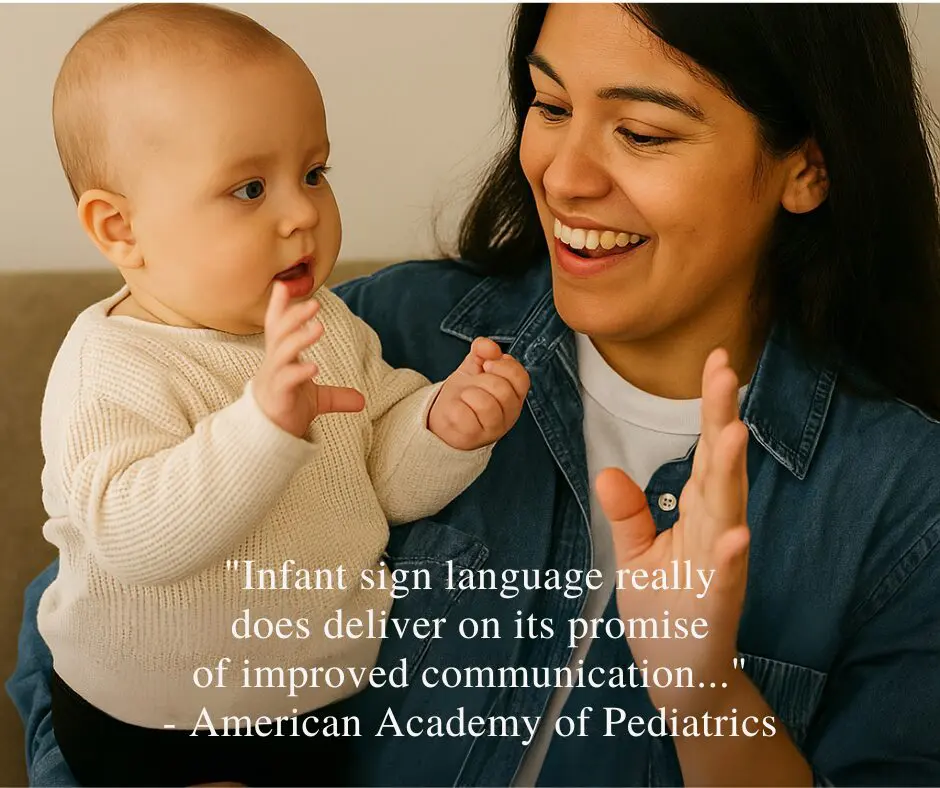
Learn how the American Academy of Pediatrics supports baby sign language and how the Baby Signs® Program helps build early communication.
Read MoreBaby Sign Language and Books: A Wonderful Partnership
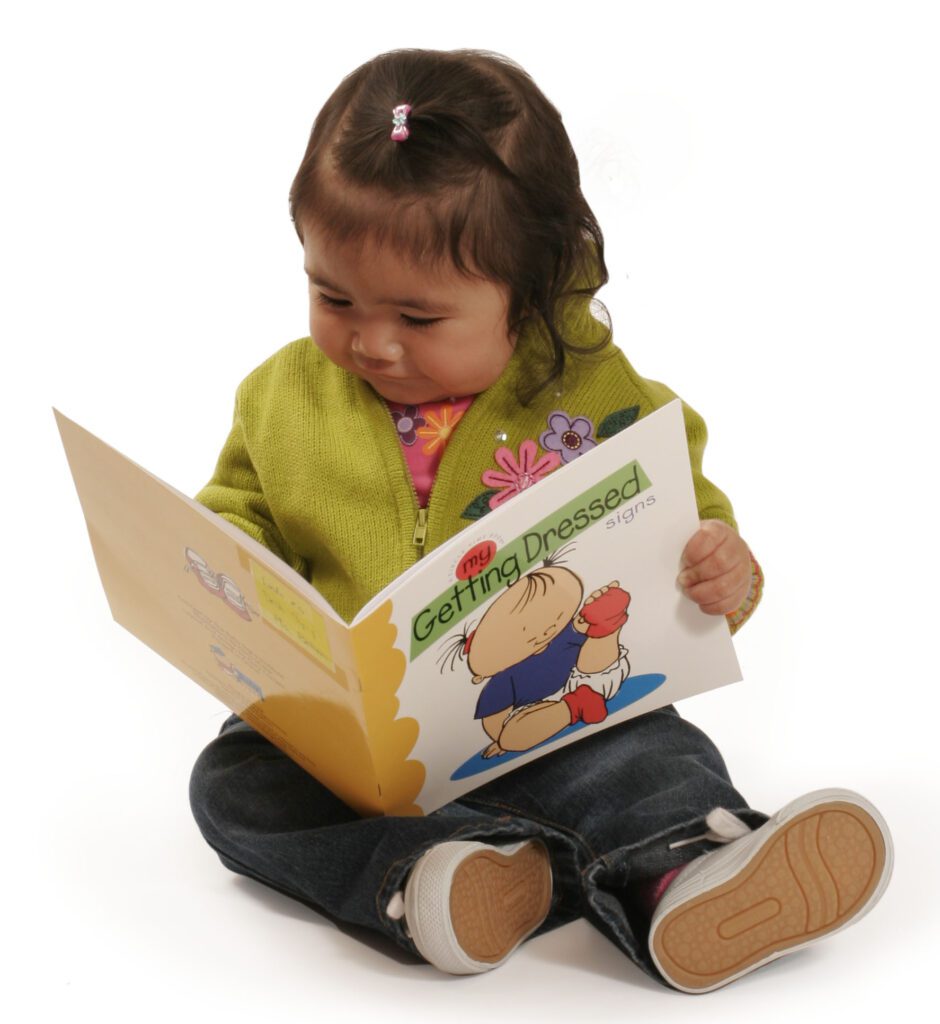
Discover how baby sign language and books work together to support early communication, build vocabulary, and make storytime more engaging.
Read MoreThe Science Behind the Baby Signs® Program
Research on Baby Sign Language: How Simple Signs Support Language, Bonding, and Learning For over two decades, research on baby sign language conducted by child development experts Dr. Linda Acredolo and Dr. Susan Goodwyn has shown that simple gestures—now widely known as the Baby Signs® Program—can have a powerful impact on infants’ early communication, emotional…
Read MoreWhen Should You Start Signing with Your Baby?
Dr. Linda Acredolo, Co-Founder of the Baby Signs® Program, explains when families can start signing with their baby and why there is no one perfect age to begin.
Read MoreBaby Sign Language and Learning to Talk
Does baby sign language delay speech? Research shows the opposite. Learn how signing supports early communication and language development.
Read MoreThe Baby Signs® Program: A Movement Built on a Solid Foundation
Linda Acredolo, Ph.D. ,Professor Emeritus, UC Davis Susan Goodwyn, Ph.D. Professor Emeritus, CSU Stanislaus Why Sign Language for Babies? There’s nothing more heart-wrenching than hearing a baby cry and not knowing why. The problem for babies is with the painstakingly slow development of the ability to produce words. Fortunately, babies are a good deal more…
Read MoreThe Baby Signs® Program and Early Head Start: Supporting Early Communication Every Day
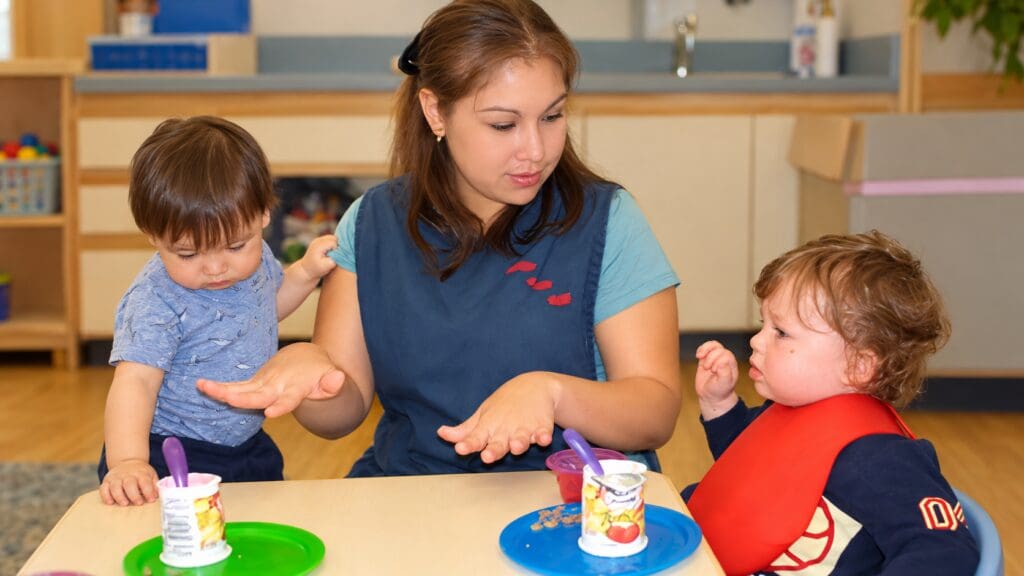
Discover how the Baby Signs® Program supports early communication, responsive caregiving and family engagement in Early Head Start programs, with research and practical applications.
Read MoreLate-Talking Toddlers: How the Baby Signs® Program Can Help
By: Catherine Brown, M.A., CCC-SLP Speech-language pathologists refer to children as “late-talkers” when they are slower to develop verbal/expressive skills than their peers even though they have very good receptive (language comprehension) skills. This pattern distinguishes them from “language-impaired” children who have significant deficits in both language comprehension and production. In contrast to language-impaired children,…
Read MoreInfant Sign Language and Learning to Talk
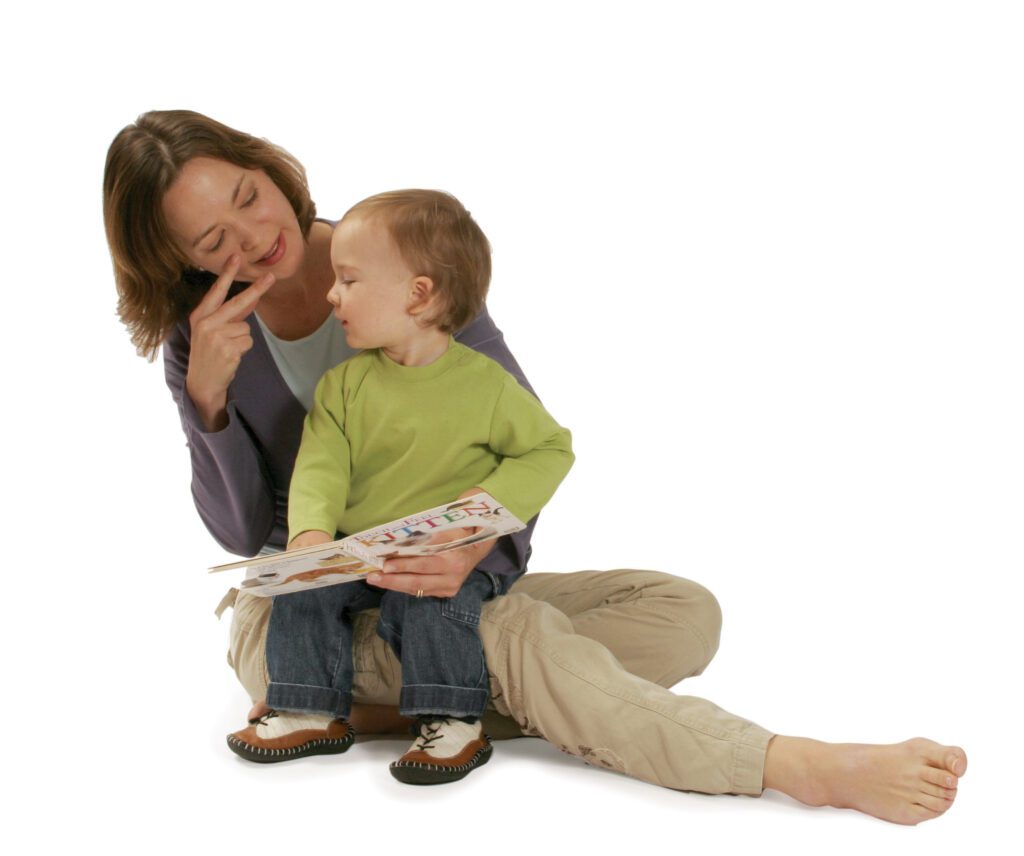
By far the most frequently voiced concern about encouraging babies to use signs to communicate before they can talk is that doing so will slow down verbal development. In fact, the exact opposite is true. Using sign language actually speeds up the process. How do we know? With a grant from the federal government, Drs.…
Read More