Love, Language, and Connection: How Baby Signs® Supports Adoptive Families
Celebrating National Adoption Month
Every November, National Adoption Month honors the families who grow through love and commitment — and the children whose lives are transformed through belonging.
Adoption is a powerful act of connection, but it can also come with unique emotional and developmental challenges. Some adopted or foster children have experienced early loss, trauma, or disrupted attachments that can affect how they communicate or trust new caregivers.
That’s where the Baby Signs® Program can make a life-changing difference — helping families build trust, reduce frustration, and strengthen emotional bonds through early communication.
How Baby Sign Language Supports Connection and Responsive Caregiving
As Dr. Linda Acredolo, co-founder of the Baby Signs® Program, once explained:
“Signs make the task of ‘reading’ the preverbal baby so much easier, helping parents provide what their baby needs to feel secure.”
Attachment research shows that babies develop trust when their caregivers are sensitive and responsive — when they can read a child’s signals and meet their needs promptly. For adopted babies or toddlers, this sensitivity is even more vital.
Using signs like EAT, ALL DONE, or HURT gives parents a window into their baby’s inner world, while the simple act of signing together increases eye contact, connection, and mutual understanding.
Helping Adopted Babies Communicate Before Words
Many adopted children, especially those who experienced early neglect or multiple placements, may have delays in language or emotional expression. Sign language serves as a powerful bridge, allowing children to express needs and feelings long before words come easily.
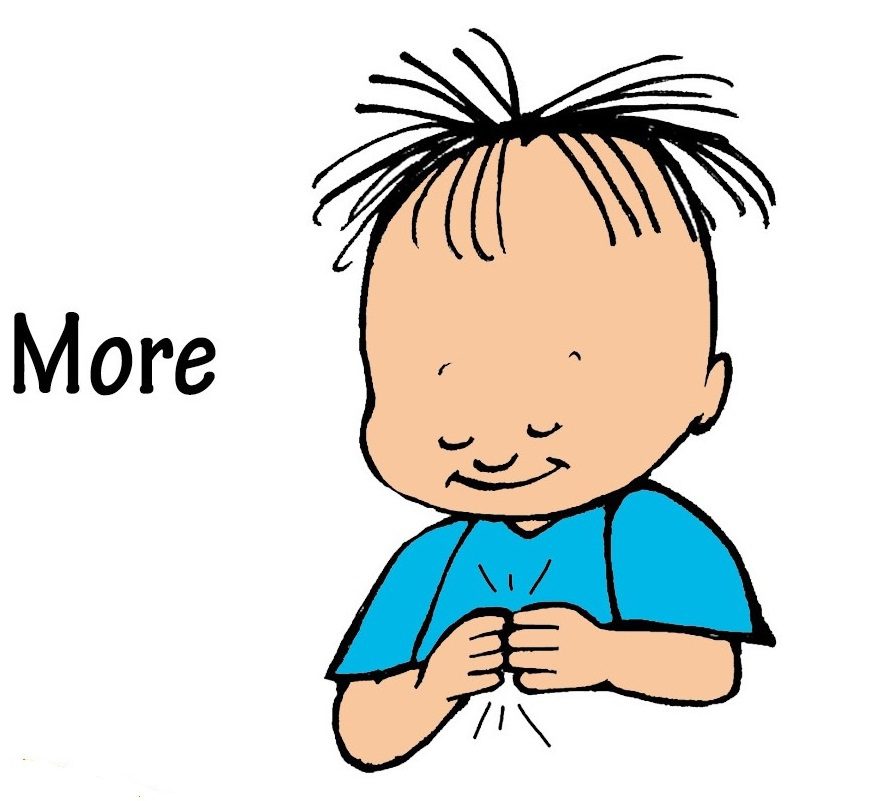
Signs such as MORE, HELP, or LOVE reduce frustration and tantrums, making communication calm, positive, and rewarding. This helps both parent and child experience more success in daily routines — and more joy in their shared moments.
Every child communicates differently, and building connection begins with noticing and responding to their unique needs.
For adoptive families, introducing a few simple Baby Signs® during everyday routines can provide additional opportunities for communication and shared understanding.
Here are five helpful signs to get started:
- MORE: Help your child request more food, playtime, or a favorite activity.
- ALL DONE: Give your child a way to communicate when they've finished eating or participating in an activity.
- HELP: Encourage your child to request assistance when something is difficult.
- EAT: Use this sign during familiar meal and snack routines.
- LOVE: Introduce this sign during warm, affectionate interactions.
Getting started: Choose one or two signs that match your child's interests and daily routines. Say the word while demonstrating the sign, respond to your child's communication attempts, and remember that learning takes time.
The goal isn't perfect signing. It's creating more opportunities to understand and connect with your child.
Real-Life Examples of Signing in Adoptive Families
The Johnson Family:
Sarah and David adopted Mia, a toddler who struggled to communicate her needs. Within weeks of learning signs like EAT, MORE, and THANK YOU, Mia’s frustration decreased dramatically — and her confidence soared.
The Schneider Family:
As foster parents, the Schneiders welcomed two toddlers with avoidant behaviors. Through consistent signing and warm interactions, they saw remarkable growth in eye contact, confidence, and emotional engagement.
“Signing gave us so many chances to praise their efforts. It built trust — and joy.”
The Rodriguez Family:
Mark and Maria adopted three siblings, the eldest nonverbal due to early trauma. By learning and using signs together, Ana found her voice — and taught her younger siblings. Signing became a shared language of love for the whole family.
Benefits of Baby Sign Language for Adoptive Families
-
Encourages Eye Contact: A key step in forming secure attachment.
-
Reduces Frustration: When children can communicate, trust replaces tantrums.
-
Strengthens Emotional Bonds: Signs like LOVE and HELP build understanding and empathy.
-
Promotes Language Growth: The combination of gesture, voice, and attention boosts overall communication.
Dr. Acredolo described it best:
“Signs convince parents that there’s truly ‘somebody home in there’ — someone who is capable of feeling loved and secure or anxious and rejected.”
Through signing, parents and children not only communicate — they connect on a deeper, more emotional level.
📚 Baby Signs® Tools to Support Connection
🧡 Parent Guide
Your go-to resource for getting started with Baby Signs®. Includes practical tips and illustrations to build trust through communication.
🧡 Quick Reference Guide
Keep this list nearby for consistent modeling of core Baby Signs®.
🧡 Feelings Poster Pack
Help your child identify and express emotions with signs like HAPPY, SAD, AFRAID, and LOVE.
🧡 Instructor Training
Professionals working with adoptive or foster families can become Certified Baby Signs® Instructors to bring these tools into their communities.
💞 Every Family’s Language is Love
Adoption reminds us that family is built on connection, not genetics — and communication is the foundation of that bond.
When words aren’t yet possible, signs give families a way to say, “I see you, I understand you, and I love you.”
This National Adoption Month, we celebrate the incredible families who open their hearts and homes — and the small hands that learn to sign, share, and trust again.
🔗 Related Reading
🍼 The Power of Sign Language for Adopted Children
💞 Keeping the Bough from Breaking: Signing and Attachment
