How Baby Sign Language Supports Early Literacy Development
Early Literacy Starts Long Before Reading
When most people think about literacy, they think about learning to read.
But the truth is, early literacy begins in infancy—long before a child recognizes letters or words.
From the moment babies begin interacting with caregivers, they are developing the foundational skills that support reading later on. These include communication, vocabulary, listening skills, and engagement with language.
One powerful way to support this early development is through baby sign language and early communication strategies.
For a deeper, research-based look at this connection, read our original article by the co-founders of the Baby Signs® Program:
👉 https://babysigns.com/linking-the-baby-signs-program-and-literacy-development/
What Is Early Literacy?
Early literacy refers to the skills children develop before they learn to read and write.
These include:
• vocabulary development
• understanding how language works
• recognizing sounds and patterns
• engagement with books and storytelling
• motivation to communicate
According to the U.S. Department of Education, reading is a complex process that depends on language comprehension, decoding, and meaning-making—all of which begin developing early in life.
Does Baby Sign Language Help with Reading?
Yes. Baby sign language supports early literacy by strengthening communication, vocabulary, and language skills that are essential for learning to read and understand language.
Children who can express themselves early are more engaged in language-rich interactions, which helps build the foundation for reading success.
Why Early Communication Matters
Communication is the foundation of literacy.
Before children can read, they must first:
• understand words
• recognize patterns in language
• connect meaning to sounds and symbols
Baby sign language helps bridge the gap between understanding and expression, allowing babies to participate in communication earlier.
Learn more about how signing supports speech development:
👉 https://babysigns.com/baby-sign-language-and-learning-to-talk
When babies feel understood, they are more confident, more engaged, and more eager to learn.
1. Builds Stronger Vocabulary
A strong vocabulary is one of the best predictors of reading success.
When babies use signs, they are exposed to and practice language more frequently.
Research associated with the Baby Signs® Program has shown that children who sign as infants often develop larger vocabularies and stronger language skills.
2. Supports Phonemic Awareness
Phonemic awareness is the understanding that words are made up of individual sounds.
This skill is essential for learning to read.
Baby sign language supports this through:
• songs and rhymes
• repetition and rhythm
• interactive communication
When babies sign along with songs like Twinkle, Twinkle Little Star or Itsy Bitsy Spider, they begin to recognize sound patterns in language.
Repetition plays a key role in helping babies learn and retain new signs and words:
👉 https://babysigns.com/repetition-helps-babies-learn/
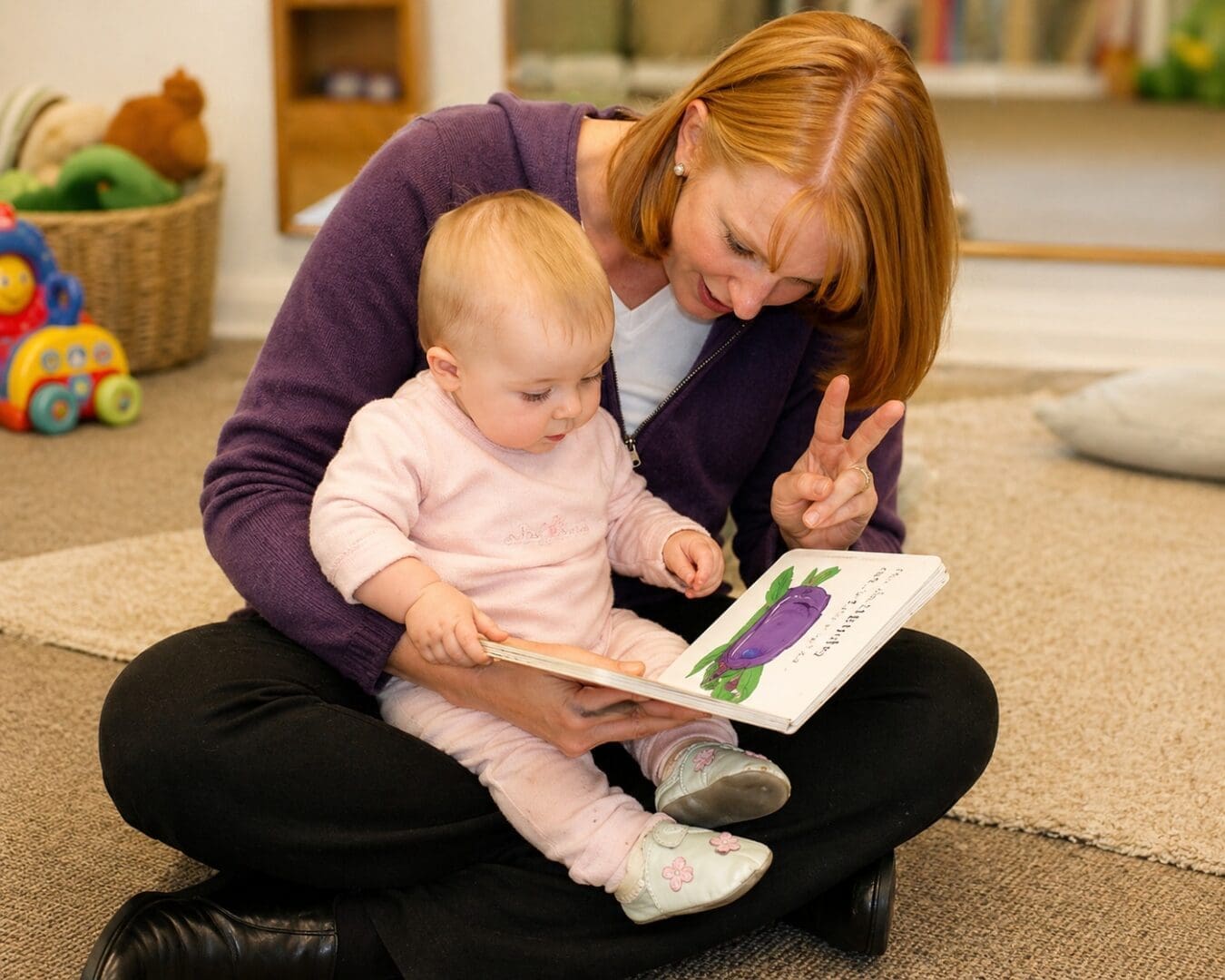
3. Encourages Engagement with Books
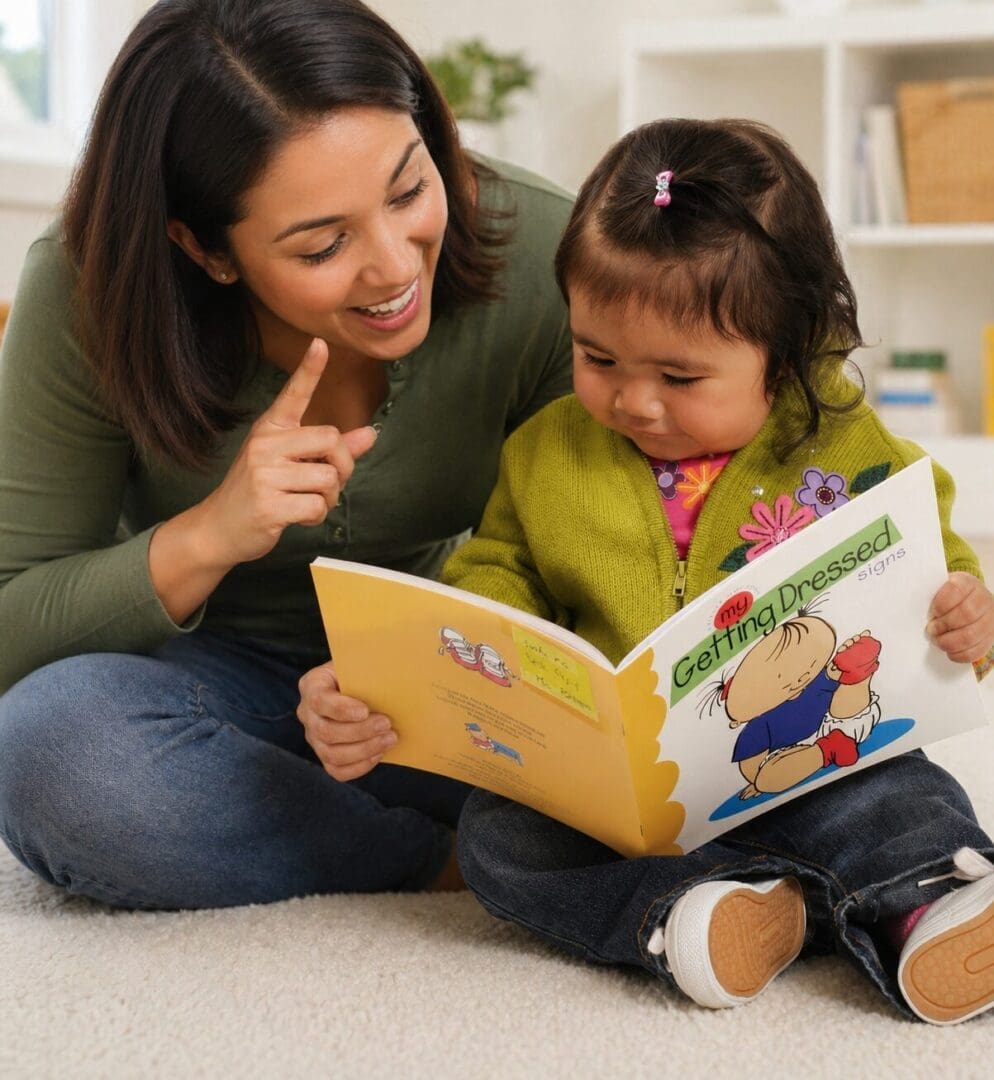
Babies who use signs are often more engaged during reading.
Instead of passively listening, they can:
• point to and label objects
• respond with signs
• participate in the story
This makes reading interactive—and more enjoyable.
4. Reduces Frustration and Builds Confidence
When babies can communicate effectively, they:
• feel more confident
• experience less frustration
• engage more with caregivers
These positive experiences shape how children approach learning—including reading.
Simple Ways to Support Early Literacy with Baby Signs®
You don’t need a complicated plan to get started.
Try:
• signing during storytime
• pairing signs with songs and rhymes
• labeling objects in books
• encouraging your baby to respond
These small moments build powerful connections between communication and literacy.
Looking for more simple strategies? Explore additional tips and activities on our blog:
👉 https://babysigns.com/blog/
Key Takeaways
• Early literacy begins in infancy
• Baby sign language supports vocabulary and communication
• Signing helps develop phonemic awareness
• Babies who sign are more engaged in reading
• Early communication supports long-term literacy success
Ready to Get Started?
Want guided support as you introduce signs and build early literacy skills?
👉 Find a Baby Signs® class near you:
https://babysigns.com/find-a-class/
Support Your Child’s Literacy Journey
The path to reading starts with communication.
By supporting your baby’s ability to express themselves early, you are helping build a strong foundation for lifelong learning and reading success.
Explore Baby Signs® resources, research, and tools designed to strengthen communication and build a foundation for reading success:
👉 https://babysigns.com
Additional Early Literacy Resources
For more information on early literacy development, visit:
• Reading Rockets – https://www.readingrockets.org
• American Academy of Pediatrics – https://www.healthychildren.org
• U.S. Department of Education – https://www.ed.gov
