The Science Behind the Baby Signs® Program
Research on Baby Sign Language: How Simple Signs Support Language, Bonding, and Learning
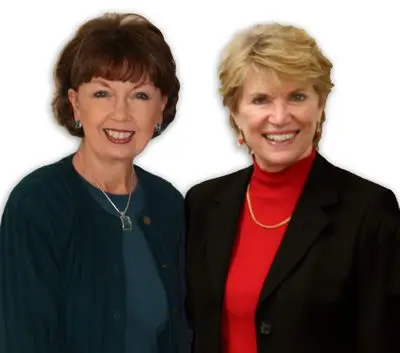
For over two decades, research on baby sign language conducted by child development experts Dr. Linda Acredolo and Dr. Susan Goodwyn has shown that simple gestures—now widely known as the Baby Signs® Program—can have a powerful impact on infants’ early communication, emotional development, and long-term learning.
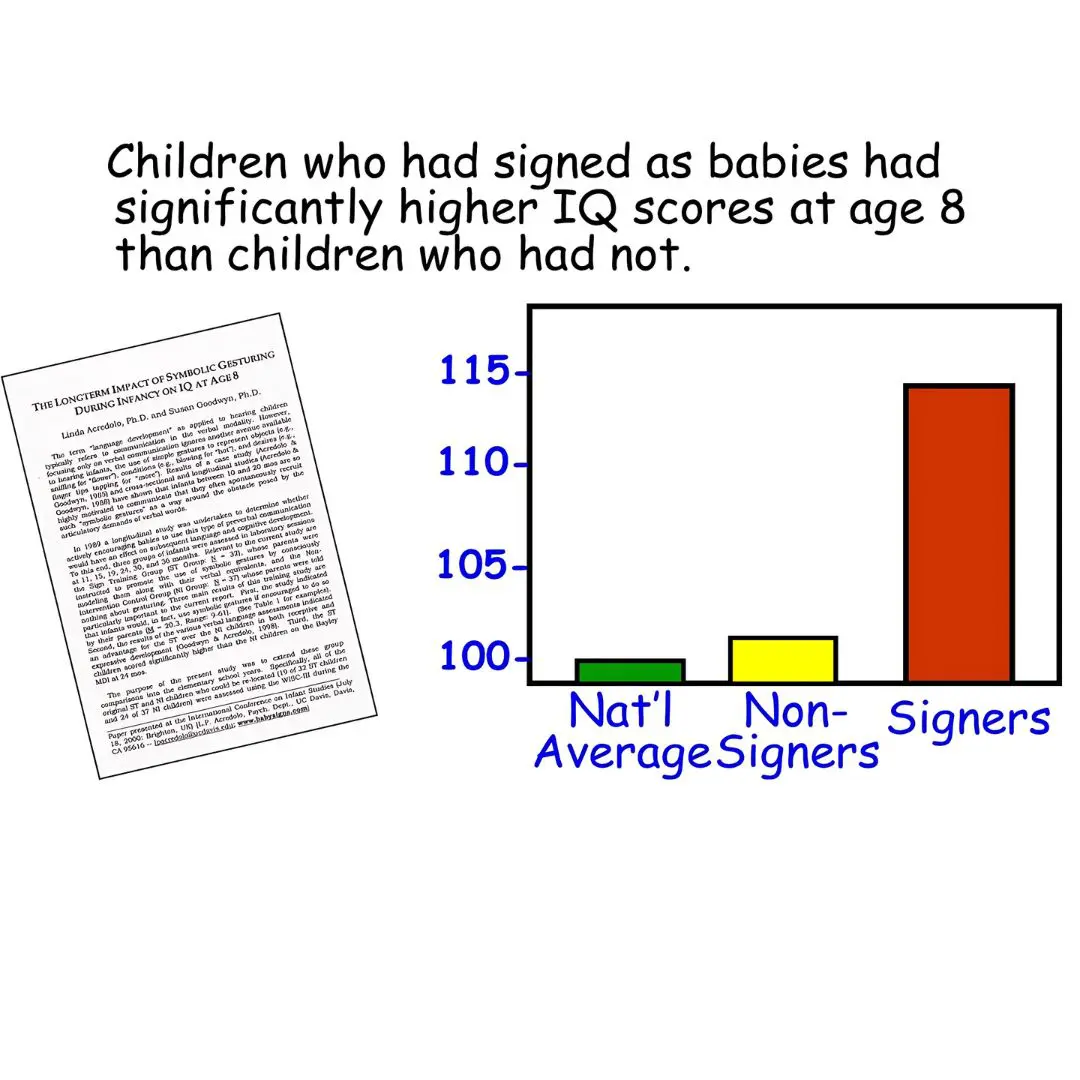
Their extensive, peer-reviewed research, funded by the National Institutes of Health (NIH), demonstrates that when babies learn to use symbolic gestures before they can speak, families experience measurable benefits in language development, cognitive growth, and parent-child bonding.
In this post, we’ll explore the science behind the Baby Signs® Program, highlighting what decades of research reveal about how baby sign language supports communication, learning, and social-emotional development in the early years.
Decades of Research
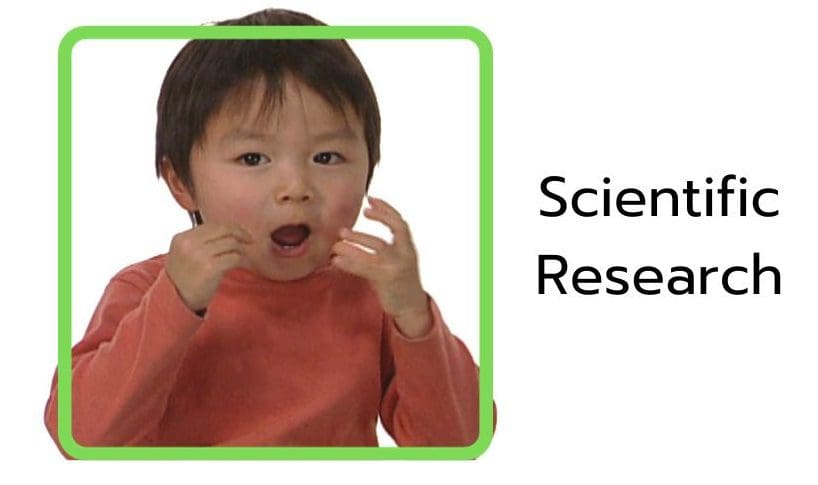
Drs. Acredolo and Goodwyn first noticed that many babies spontaneously invent gestures—to communicate needs like “eat,” “sleep,” or “more” well before they can articulate these words. Intrigued, they launched formal research studies.
Why Signing Works
Motor Skills Develop Before Speech
Babies gain control of their hands and arms earlier than the complex muscles and coordination needed for speech. By harnessing a baby’s ability to gesture, we bridge the gap between their desire to communicate and their ability to articulate words.
Strengthens Neural Pathways
Research in early childhood development suggests that exposing babies to multiple forms of communication (like gesture plus spoken language) can strengthen neural pathways associated with language acquisition. Essentially, when a baby sees and uses a sign while hearing the corresponding word, it’s reinforcing language in two sensory modalities—visual and auditory.
Positive Feedback Loop
Every time a baby signs for “milk” and receives milk shortly after, they learn that their actions lead to specific, positive results. This immediate feedback loop cements the gesture in a baby’s mind, making them more likely to use that sign again and try new ones. The cycle of success fosters confidence and motivation to communicate even more.
Bringing Science into Daily Life
The Baby Signs® Program is designed to be both easy and adaptable. You don’t need a background in American Sign Language (ASL) to benefit. By selecting a few key signs—like “milk,” “eat,” “more,” and “all done”—and using them consistently alongside the spoken words, you’ll see how seamlessly signing can fit into everyday moments.
Practical Tips
- Keep Going: Once your baby masters the basics, expand to other meaningful signs like “afraid,” “hurt,” or “help.”
- Start Early: Many parents begin introducing signs as early as six to nine months, though every child is different.
- Be Consistent: Use the signs every time you say the word, and repeat often to reinforce learning.
- Encourage Effort: Offer lots of praise when your baby even tries to sign. This positive reinforcement boosts confidence and motivation.
The Bigger Picture
When you embrace the Baby Signs® Program, you’re doing more than teaching simple signs—you’re transforming how your baby experiences the world. By reducing frustration, strengthening bonds, and fostering early language and cognitive skills, you set the stage for a confident, curious child who’s ready to explore and communicate from a very young age.
If you’re ready to take the next step, consider exploring a Baby Signs® class or resources. Every sign you learn and share with your baby is a building block for richer communication, greater confidence, and a lifetime love of learning.
Interested in learning more? Check out Baby Signs® resources or reach out to a certified Baby Signs® instructor in your area for hands-on guidance.
