5 Early Literacy Activities for Babies Using Baby Signs®
Early literacy begins long before children learn to read.
From listening to songs and looking at books to interacting with caregivers, babies are constantly building the foundational skills needed for language and literacy development. One simple and engaging way to support these early skills is through baby sign language.
By pairing signs with everyday activities, parents and caregivers can help babies strengthen communication, build vocabulary, and become more active participants in learning.
For a deeper look at this connection, you may enjoy our research-based article by Drs. Linda Acredolo and Susan Goodwyn on the Baby Signs® Program and literacy development. You can also read our companion article on how baby sign language supports early literacy development.
What Are Early Literacy Skills?
Early literacy skills are the building blocks children develop before learning to read and write.
These include:
• vocabulary development
• listening and comprehension
• recognizing patterns and sounds
• engagement with books and storytelling
• motivation to communicate
Research shows that early interaction and communication play a critical role in future reading success.
1. Make Storytime Interactive
Reading together is one of the best ways to support early literacy.
Adding signs during storytime helps babies connect words with meaning and encourages active participation. Instead of simply listening, babies can begin to respond, point, gesture, and eventually sign familiar words from the story.
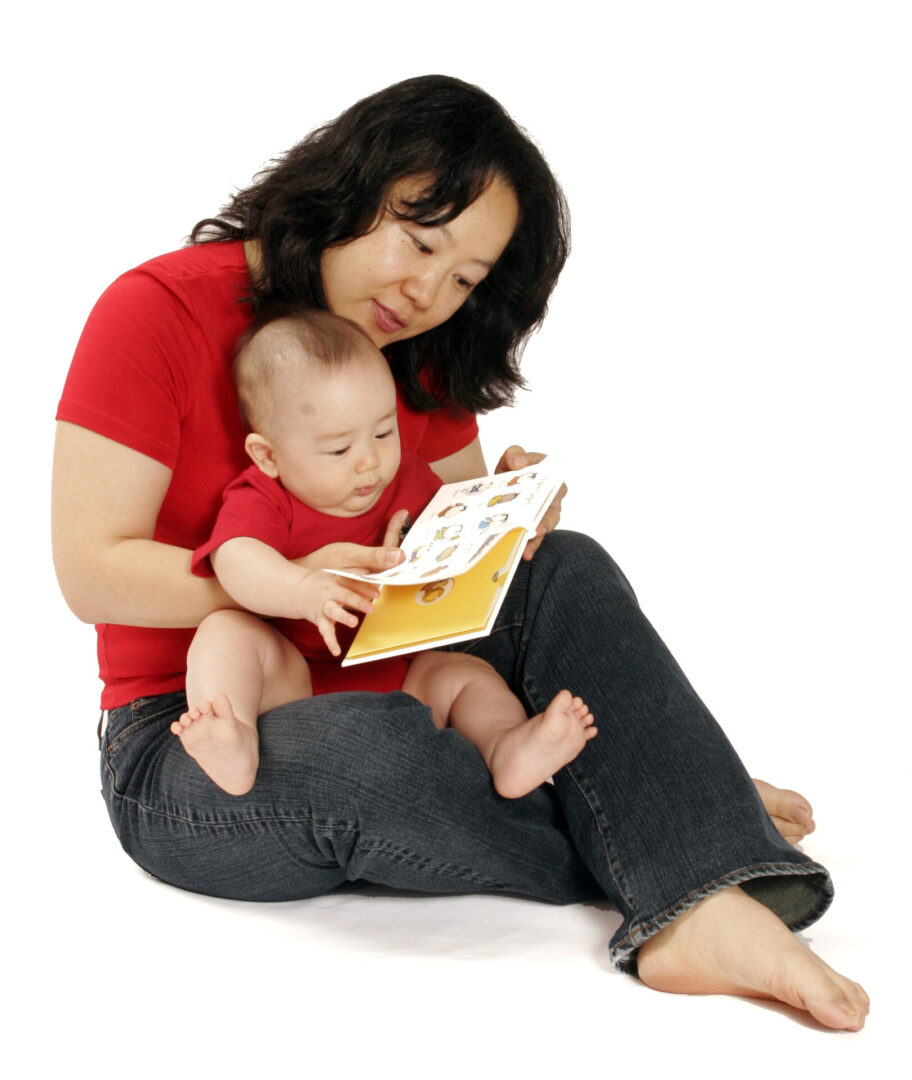
Try Signing:
• BOOK
• MORE
• DOG
• EAT
• SLEEP
When you repeat signs during books, babies begin recognizing patterns in both language and communication.
Literacy Tip:
Pause during familiar books and wait to see if your child responds with a sign, gesture, sound, or facial expression. These small back-and-forth moments help build communication and engagement.
2. Sing Songs with Signs
Songs and rhymes help babies hear the rhythm and patterns of language, which are important early literacy skills.
Adding signs makes songs even more engaging and memorable.
Great Songs to Pair with Signs:
• Twinkle, Twinkle Little Star
• The Itsy Bitsy Spider
• Old MacDonald Had a Farm
Signs to Use:
• STAR
• SPIDER
• MORE
• FARM
• BIRD
Why It Helps:
Repetition helps babies retain both signs and spoken language. When babies hear the same words, rhythms, and signs again and again, they begin to make meaningful connections.
The Baby Signs® Program also offers music designed especially for signing with babies and toddlers. Many songs are based on familiar nursery rhymes and children’s songs, with lyrics adapted so families can sign along during play, routines, and class activities. These songs are used in Baby Signs® play classes and are a fun way to build repetition, rhythm, vocabulary, and early communication.
Explore Baby Signs® music here: https://babysigns.com/product-category/music/
Learn more about why repetition matters:
https://babysigns.com/repetition-helps-babies-learn/
3. Label Objects During Everyday Routines
Babies learn language best through real-life experiences.
Use signs during meals, bath time, playtime, diaper changes, and outdoor adventures to build vocabulary naturally. Everyday routines give babies repeated opportunities to hear words, see signs, and connect language with meaning.
Everyday Signs:
• EAT
• DRINK
• MORE
• MILK
• ALL DONE
Literacy Tip:
Pair the sign with the spoken word every time. This helps babies connect visual communication with spoken language and builds the foundation for later word recognition.
4. Explore Nature and Talk About What You See
Outdoor exploration creates endless opportunities for communication and learning.
Go on a walk, visit a park, or look outside together and point out the things you see. Then use simple signs to help your baby connect words with real-world experiences.
Try Signing:
• FLOWER
• BIRD
• SUN
• TREE
• BUG
Why It Helps:
These experiences build descriptive vocabulary and strengthen observation skills that support comprehension later on. When babies hear words connected to what they see, touch, and experience, language becomes more meaningful.
You may also enjoy our related blog:
https://babysigns.com/welcoming-spring-with-the-baby-signs-program/
5. Encourage Back-and-Forth Communication
Literacy begins with interaction.
When babies communicate and caregivers respond, children learn that communication has meaning and power. These early “conversations” do not need to include spoken words. A look, sound, gesture, point, or sign can all become part of meaningful communication.
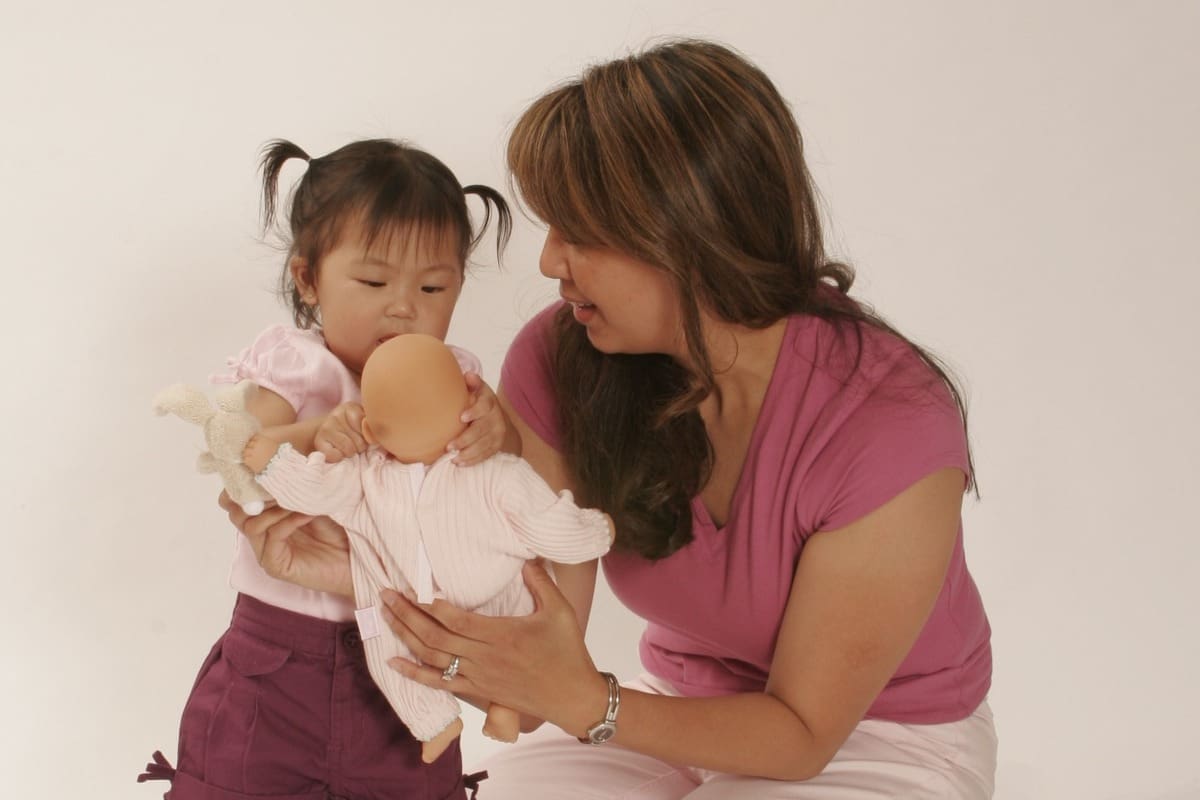
Simple Ways to Encourage Interaction:
• pause and wait for responses
• imitate your baby’s sounds or signs
• respond enthusiastically
• repeat words and signs often
• celebrate every attempt to communicate
Why It Matters:
These back-and-forth interactions support language processing, attention, social-emotional development, and early communication. They also help babies feel understood, which builds confidence and connection.
Why Baby Sign Language Supports Early Literacy
Baby sign language helps children:
• build vocabulary earlier
• engage more actively during reading
• strengthen communication skills
• reduce frustration
• develop confidence in expressing themselves
Most importantly, it makes learning interactive, meaningful, and fun.
Early literacy does not begin with flashcards or worksheets. It begins with connection, communication, and everyday interaction.
Frequently Asked Questions About Early Literacy and Baby Signs®
Key Takeaways
• Early literacy starts in infancy
• Communication is the foundation of literacy
• Baby sign language supports vocabulary and engagement
• Everyday routines create powerful learning opportunities
• Simple interactions can make a lasting difference
Ready to Get Started?
The Baby Signs® Program offers classes, resources, and tools designed to help families support communication and learning from the very beginning.
A Certified Baby Signs® Instructor can help you learn simple, practical ways to use signs during books, songs, routines, and play.
Find a Baby Signs® class near you:
https://babysigns.com/find-a-class/
More Baby Signs® Resources
Explore more articles and activities:
Baby Sign Language and Learning to Talk
https://babysigns.com/baby-sign-language-and-learning-to-talk/
How Baby Sign Language Supports Early Literacy Development
https://babysigns.com/baby-sign-language-early-literacy/
Repetition Helps Babies Learn
https://babysigns.com/repetition-helps-babies-learn/
Final Thoughts
Early literacy starts with the everyday moments babies share with the people who love and care for them.
By incorporating simple signs into books, songs, routines, and play, parents and caregivers can help babies build a strong foundation for communication, language, learning, and future reading success.
Happy Signing!
